01
Inspect
the property
Identify the water source and affected areas.
0417 30 50 50
We Find the Moisture You Can’t See
Water damage doesn’t stop when the visible water is gone. Moisture can remain trapped inside wall cavities, behind skirting boards, beneath flooring, within ceilings and throughout other building materials. Our professional structural drying service helps locate hidden moisture, dry affected building materials and reduce the risk of ongoing water damage.
Servicing all Brisbane suburbs from Northside to Southside. 24/7 emergency response available.
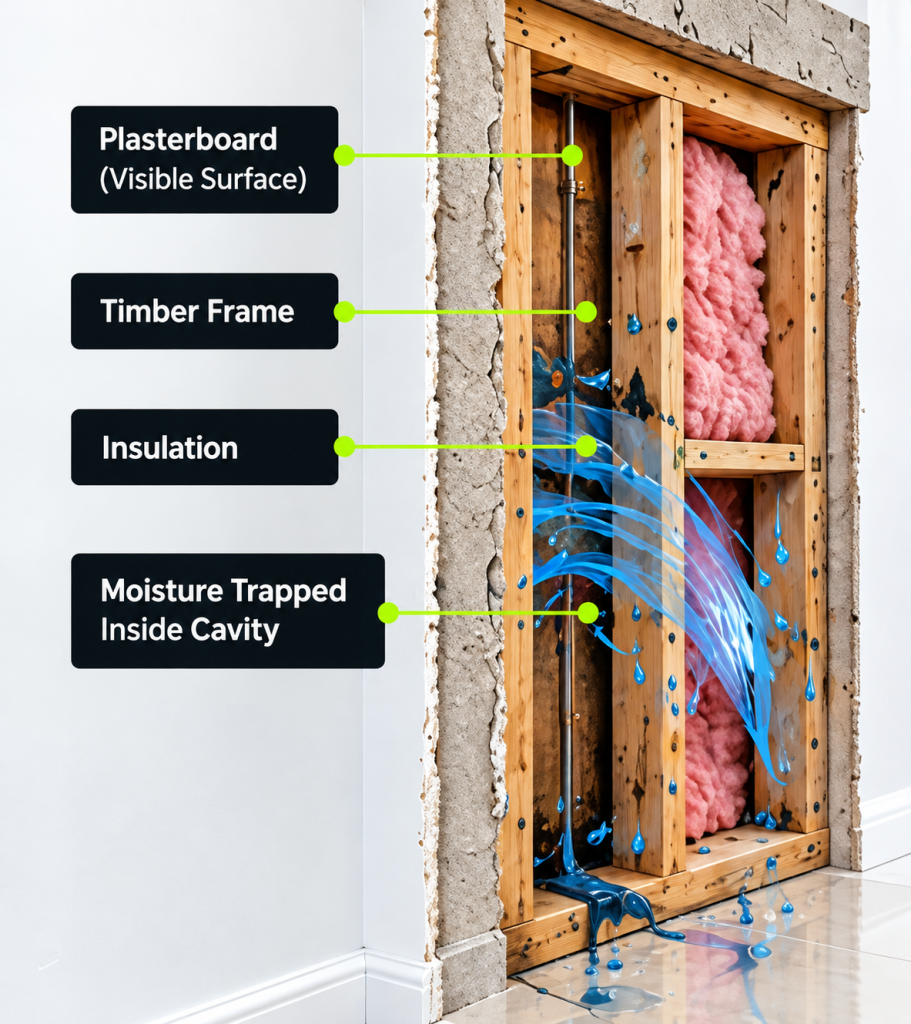
A wall can look normal while moisture remains behind the paint or inside the cavity. Flooring may feel dry while its underlay or subfloor remains damp. Ceilings and timber framing can also retain moisture long after a leak has stopped.
This is why structural drying needs more than a fan pointed at a wet patch. The affected materials must be assessed, and the drying method selected according to the construction and condition of the building.
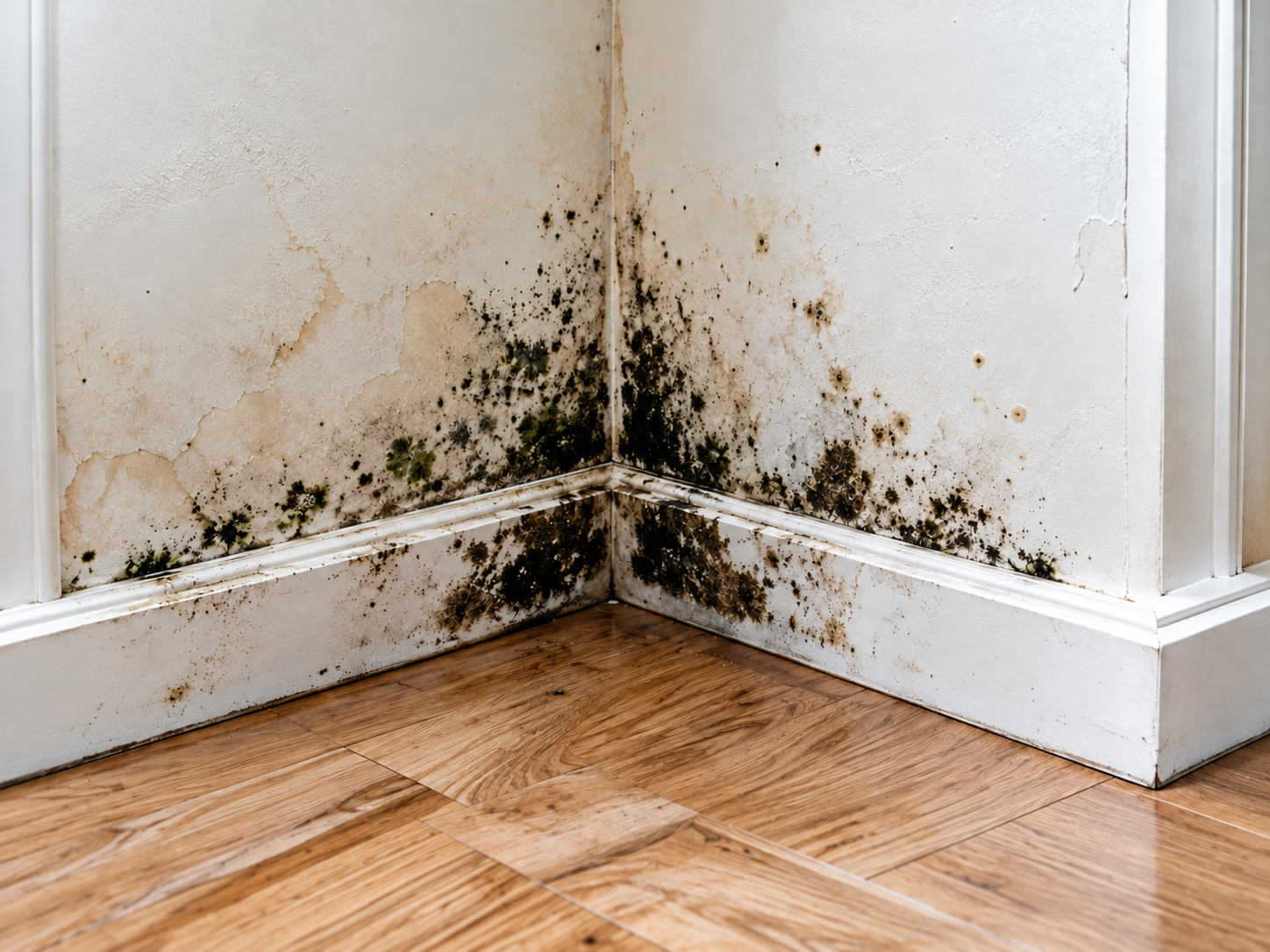
Moisture can migrate downwards or along wall edges.
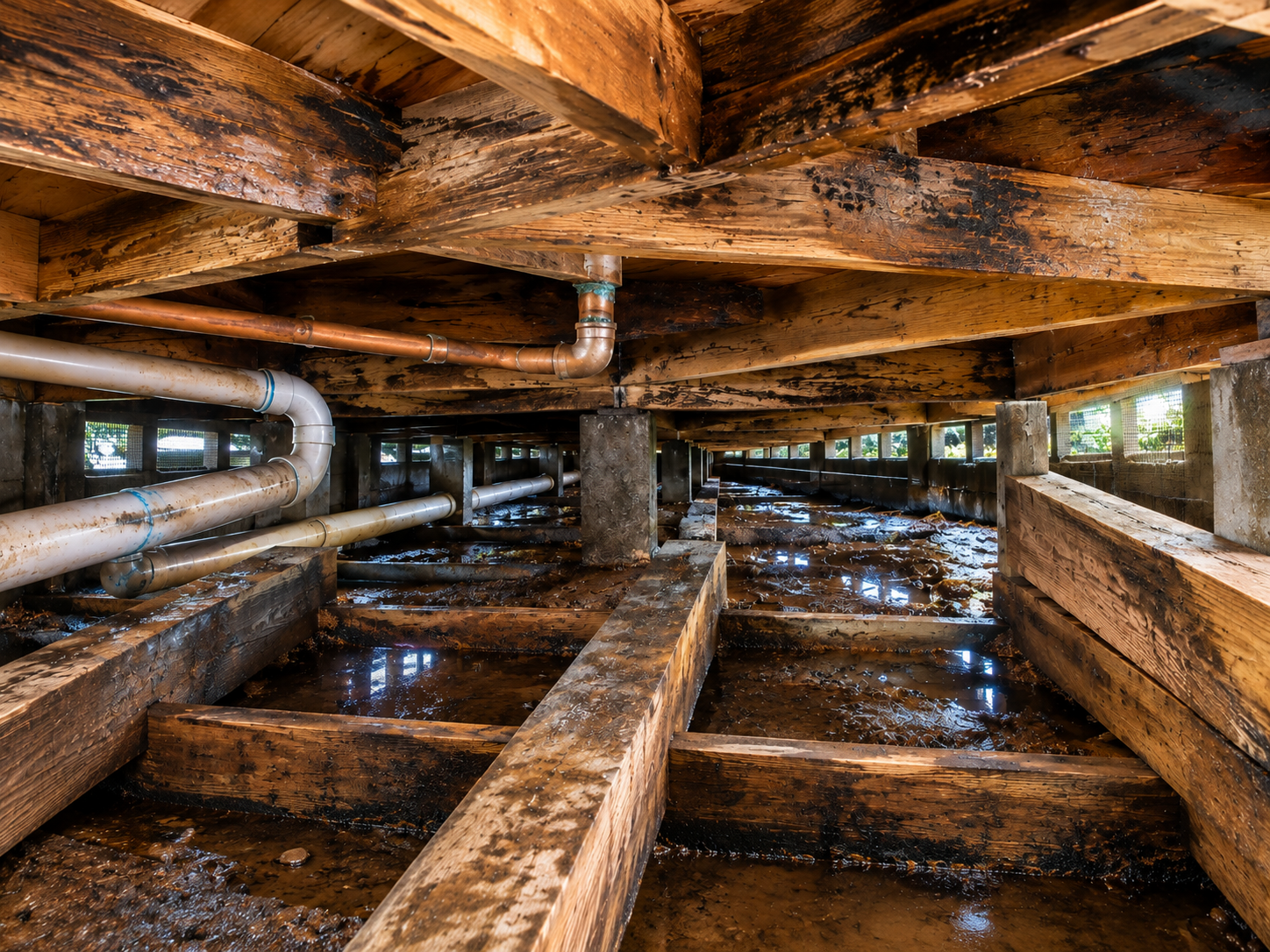
Timber, floor coverings and concealed spaces may retain moisture.
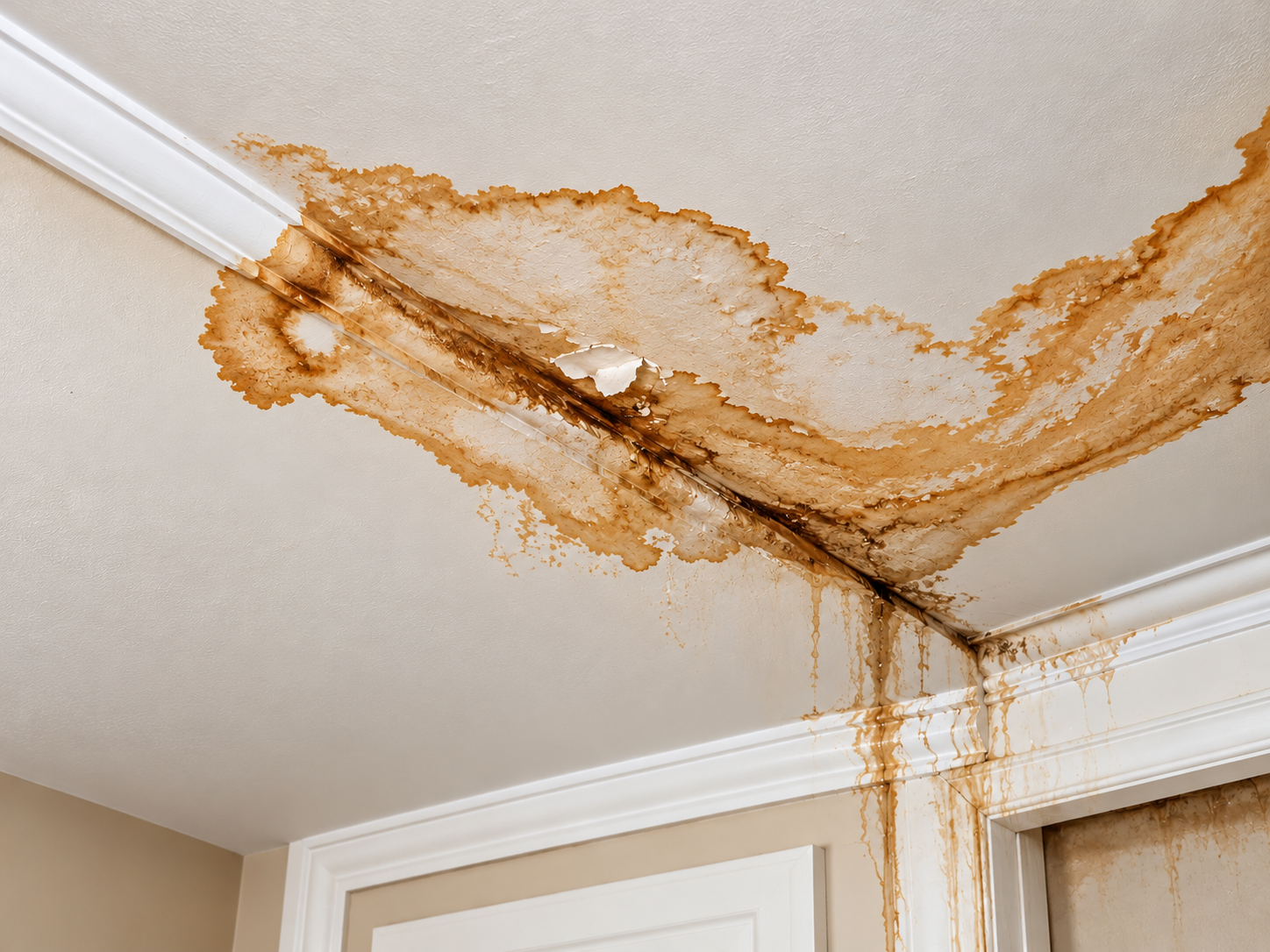
Roof leaks or plumbing failures can affect ceiling materials and spaces above.
Structural drying may be required after many types of water-related incidents, including:
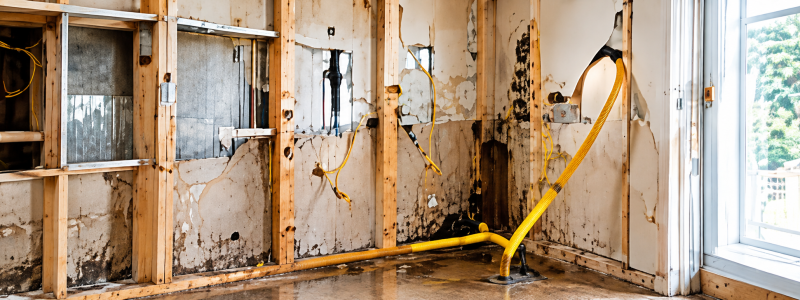
Targeted cavity-drying equipment moves drying air through concealed spaces without unnecessary demolition.
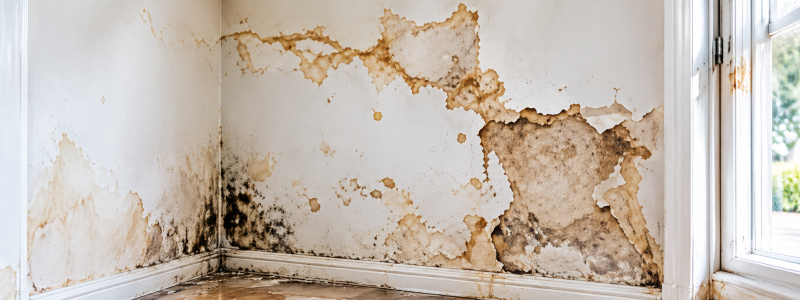
We assess the extent of moisture and determine whether drying or controlled removal is appropriate.
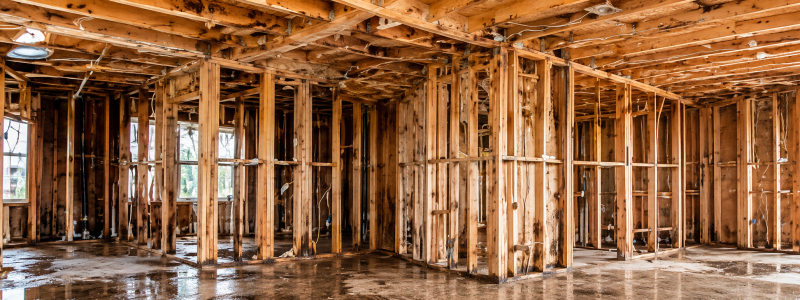
Wet timber components require careful monitoring and a tailored drying approach.
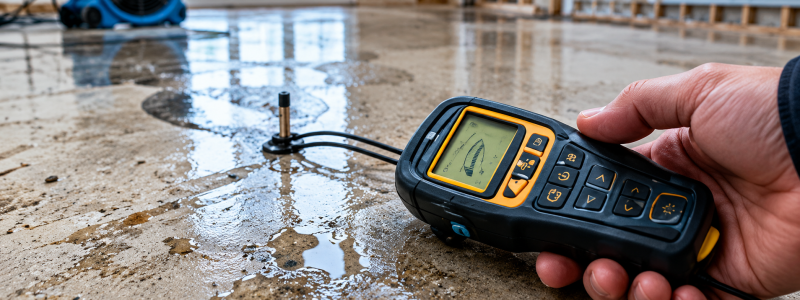
Concrete can retain moisture after a water event. Assessment and suitable drying methods help determine next steps.
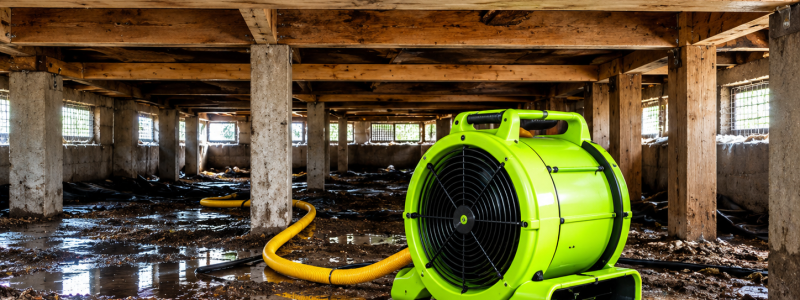
We assess the source, drainage and extent of saturation to develop the drying plan.
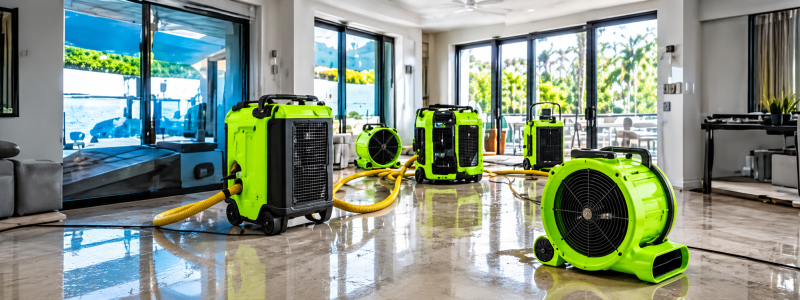
We assist offices, shops, apartments and shared properties with concealed moisture.
Identify the water source and affected areas.
Check materials and identify hidden moisture.
Extract accessible water and stop the source.
Choose equipment based on the building and damage.
Position air movers, dehumidifiers or cavity equipment.
Recheck readings and adjust as required.
Confirm progress and identify next steps.
Reveal areas missed by a visual inspection.
Limit prolonged moisture exposure.
Know which materials can be dried or require removal.
Ongoing monitoring shows when drying goals are reached.
Brisbane Water Damage Services provides structural drying assistance across all Brisbane suburbs, including the CBD, inner suburbs and surrounding areas.
North Lakes, Chermside, Aspley, Nundah, Everton Park and surrounding suburbs.
Mount Gravatt, Sunnybank, Eight Mile Plains, Acacia Ridge, Coopers Plains and surrounding suburbs.
Brisbane City, Fortitude Valley, New Farm, Spring Hill, Paddington, Milton and surrounding suburbs.
Indooroopilly, Toowong, Oxley, Jindalee and surrounding areas.
Hidden moisture can continue affecting building materials after the visible leak has stopped. Get the affected areas assessed and find out what drying is required.
Structural drying · Wall cavity drying · Moisture assessment · Brisbane-wide service
Sometimes. If the cavity is accessible and the affected materials can be dried safely and effectively, targeted drying may avoid extensive demolition. However, saturated insulation, contaminated materials, damaged plasterboard or inaccessible moisture may require controlled removal.
Assessment may involve moisture meters, visual inspection, moisture mapping and thermal imaging where appropriate. These methods help identify areas for further investigation, but readings must be interpreted in the context of the building materials and conditions.
Drying time varies according to the materials, the amount of water absorbed, how long the property remained wet, humidity, airflow and the equipment used. Some areas may dry sooner than others. Moisture monitoring helps determine when the appropriate drying goals have been reached.
A fan may help move air across an exposed surface, but it may not adequately dry moisture trapped inside a wall cavity or other concealed space. Professional assessment helps determine whether additional equipment or material removal is necessary.
Prompt, thorough drying helps reduce the prolonged moisture that can support mould growth. However, drying alone does not remove existing mould or resolve every contamination issue. Any visible mould or contaminated materials should be assessed and treated appropriately.
The aim is to dry affected materials while minimising unnecessary damage. Some drying systems use existing or carefully created access points. Where materials are swollen, deteriorated, contaminated or unsuitable for in-place drying, removal may be the more appropriate option.
Yes. Structural drying is commonly considered after plumbing failures, leaking bathrooms, roof leaks and other water incidents. The water source should be stopped, and the affected materials should be assessed to determine the appropriate extraction and drying requirements.
Brisbane Water Damage Services services suburbs from Northside to Southside, including the CBD, inner suburbs and surrounding western areas. Contact us to confirm availability for your property.

Brisbane’s trusted water damage
restoration specialists. Rapid response, professional results and total peace of mind.

Save our details to your phone